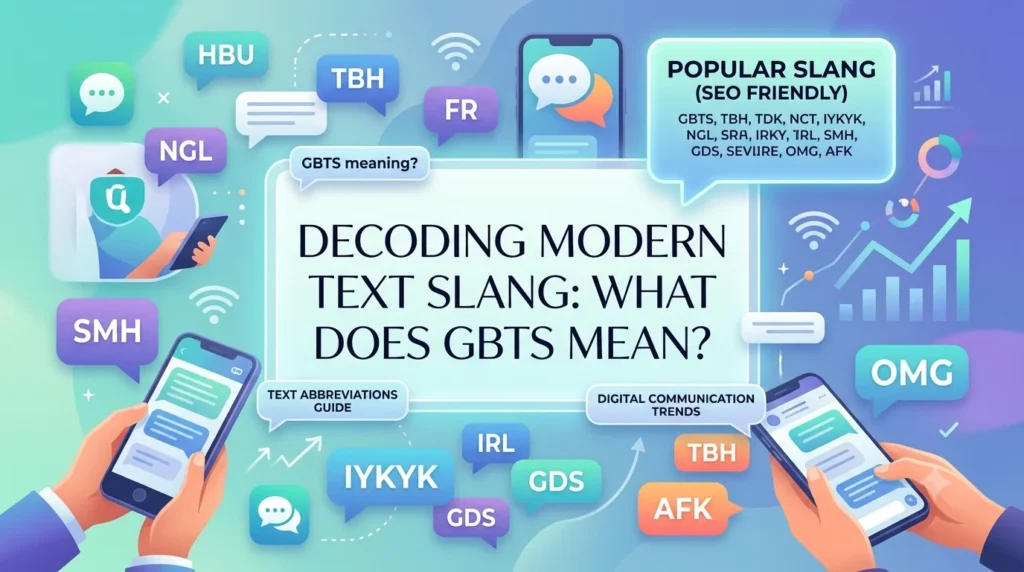
We have all been there. You are staring at your phone, watching those little typing bubbles dance across the screen, waiting for a response. When the text finally lands, it contains a four-letter acronym you have never seen before: GBTS.
Suddenly, a wave of digital anxiety hits. Is it a compliment? Is someone angry with you? Or is it just another fast-paced piece of internet slang that passed you by while you were busy living in the real world?
Language is moving faster than our ability to print dictionaries. In the era of instant messaging, missing the true intent behind a short phrase can completely alter the trajectory of a relationship. Today, we are breaking down the curtain on this elusive term so you never have to guess its meaning again.
The Digital Language Gap: Why We Are All Searching for Answers
The way we communicate online has evolved into a highly nuanced, emotional shorthand. We no longer just use words to convey facts; we use them to mimic the tone of voice, facial expressions, and body language that text messages inherently lack.
When people search for terms like the GBTS meaning in text, they are rarely just looking for a literal definition. They are trying to decode the emotional temperature of a conversation.
Misinterpreting a single acronym can turn a harmless joke into a massive argument. It can make a budding romance freeze over, or turn a friendly workplace dynamic into an awkward standoff. Understanding this specific term helps restore clarity to your digital life.
GBTS – Quick Meaning and Core Definitions
Depending entirely on who is texting you and the vibe of your current conversation, GBTS stands for two vastly different expressions. The most common interpretation is “Getting Back To Society,” while the secondary, more intimate variation is “Go Back To Sleep.”
Here is how they look when put into practice:
“Finally finished my exam week. Time to GBTS.”
“I saw you online at 4:00 AM, please GBTS!”
“Sorry for missing your calls yesterday, I was totally disconnected but I am finally GBTS now.”
Origin, Cultural Background, and the Social Media Evolution
The phrase did not simply appear out of thin air. It grew out of a collective cultural exhaustion tied directly to our hyper-connected modern lifestyles.
The Rise of Digital Detox Culture
A few years ago, being constantly reachable was seen as a luxury. Today, it feels like a chore. As social media fatigue settled into the collective conscious, users began intentionally “ghosting” the internet for days or weeks at a time to preserve their mental health.
The Evolution of the Term
When these individuals finally decide to log back into their accounts, check their direct messages, and reply to long-overdue texts, they need a quick way to announce their return. GBTS became the ultimate badge of honor for someone who successfully unplugged and survived to tell the tale.
Real-Life Conversations: How It Looks in Your Inbox
To truly master a piece of slang, you need to see how it breathes and functions in everyday human interactions. Here are four distinct, realistic scenarios where you might encounter this phrase across different digital platforms.
Scenario 1: The WhatsApp Catch-Up
Person A: Hey stranger! Haven’t seen you post anything or reply in days. Everything good?
Person B: Hey! Yes, totally fine. Just took a much-needed mental health break away from my phone. Finally GBTS today! Let’s grab coffee soon.
Scenario 2: The Instagram DM After a Festival
Person A: Omgg you looked like you were having the best time off the grid this weekend! 🌲
Person B: It was magical, no signal at all! But now I’m back on the grid and GBTS. My inbox is absolutely terrifying right now lol.
Scenario 3: The Late-Night TikTok Comment
Person A: Why am I seeing your comment on my feed right now? It is literally sunrise where you live! 🙈
Person B: Haha caught red-handed! I’m closing the app right now, going to GBTS. Goodnight!
Scenario 4: An Anxious Text Thread
Person A: I felt like you were pulling away from me this week. Did I do something wrong?
Person B: Oh gosh, not at all! I’ve just been completely overwhelmed with family stuff and went dark on everyone. I’m slowly GBTS now, promise we are totally good.
The Emotional and Psychological Weight Behind the Slang
Using this specific acronym is not just about saving keystrokes; it carries profound psychological undertones regarding how we protect our personal peace in a noisy world.
The Desire for Boundaries
When a friend tells you they are “getting back to society,” they are subtly acknowledging that they stepped away from the expected norms of constant availability. It is a soft defense mechanism that allows people to say, “I needed space, but I still value you enough to tell you I am back.”
The Vulnerability of Returning
There is a distinct anxiety associated with looking at a phone full of unread notifications. Using lighthearted slang softens the blow of returning to social obligations. It acts as an emotional buffer, turning a potentially tense absence into a relatable, shared human experience.
A Personal Reflection from the Field
During a particularly grueling semester of teaching and writing a few years ago, I found myself completely overwhelmed by the non-stop pings of group chats. I shut my phone down for an entire weekend. When I turned it back on, I felt immense guilt.
Instead of writing a long, defensive apology, I sent a simple text: “Survived the weekend, officially GBTS.” The response from my peers was immediate warmth and understanding. That is the power of shared modern slang.
Navigating Usage Across Different Social Contexts
Context changes everything. The exact same acronym can make you look incredibly trendy in one room and completely unprofessional in another.
Social Media Platforms
On spaces like TikTok, Instagram, and X, this term is highly stylized. It is often paired with a picture of a cozy bed, a hiking trail, or a messy desk. It signals to your followers that your temporary absence from the algorithm was intentional.
Friends and Romantic Relationships
This is where the term finds its safest harbor. Between partners or best friends, saying “Go back to sleep” shows deep, protective tenderness. Conversely, telling a partner you are “getting back to society” reassures them that your period of isolation was not caused by a secret relationship conflict.
Workplace and Professional Settings
Avoid this term entirely in your professional emails or Slack channels. If you tell your manager you are “GBTS,” they might interpret it as a lack of dedication or a sign that you were slacking off when you should have been working. Keep your professional communication literal and transparent.
When NOT to Use This Acronym
While text shortcuts are incredibly convenient, there are certain situations where using them can make you appear dismissive, cold, or deeply insensitive.
- During Emotional Crises: If someone is sharing a deeply painful life event or seeking comfort, replying with shorthand abbreviations feels incredibly disrespectful.
- With Older Generations: Sending this to a parent or an older relative who isn’t well-versed in internet culture will likely cause unnecessary confusion or panic. They might think it is a medical acronym or an emergency code.
- Apologizing for Serious Mistakes: If you missed a crucial deadline or stood a friend up for dinner, do not hide behind a casual abbreviation to explain your absence. Use full sentences to show genuine accountability.
Common Misunderstandings and Internal Confusions
The biggest issue with text abbreviations is that they lack tone of voice. Without context, a message can easily be misread.
The Literal vs. Figurative Split
Some people assume “Getting back to society” means someone was literally incarcerated or stranded in the wilderness. In reality, it is almost always used figuratively to describe taking a break from the digital grid.
The Tone Misinterpretation
If someone text messages you just the letters “GBTS” without an emoji or context, it can feel incredibly blunt. It is vital to look at the historical patterns of your conversations with that person before assuming they are giving you the cold shoulder.
Decoding Slang: How GBTS Measures Up to Similar Terms
To help you understand exactly where this term fits into the wider landscape of internet language, let’s compare it against other common phrases you likely see on your screen every day.
| Slang Term | Literal Meaning | Best Used For… | Emotional Tone |
| GBTS | Getting Back To Society / Go Back To Sleep | Announcing your return to text threads or checking on a late-night scroller. | Relieved, protective, or playful. |
| AFK | Away From Keyboard | Short-term absences, like stepping away to grab a quick snack. | Neutral and functional. |
| BRB | Be Right Back | Leaving a conversation for just a few minutes. | Casual and immediate. |
| OOTO | Out of the Office | Professional boundaries during vacations or holidays. | Strict and professional. |
| JMT | Just My Thoughts | Sharing a gentle, non-binding opinion in a debate. | Soft and non-confrontational. |
Key Insight
While terms like AFK and BRB are purely functional indicators of time and space, GBTS carries a distinctly psychological element. It highlights a conscious decision to disconnect from the weight of digital culture and reclaim one’s personal life before stepping back into the public eye.
Essential Variations of the Acronym You Need to Know
Language is incredibly fluid, and internet subcultures constantly adapt phrases to fit their specific needs. Here are ten variations and related phrases you are bound to encounter.
- GBTS (Main Variation): Getting Back To Society. Returning to your digital life after a detox.
- GBTS (Sleep Variation): Go Back To Sleep. A caring reminder sent to someone scrolling late at night.
- GTS: Go To Sleep. A slightly more direct, urgent version of the sleep reminder.
- GBTA: Getting Back To It. Signifies returning to a specific task or work project.
- GBTW: Go Back To Work. A playful or strict push to get someone focused on their duties.
- HRU: How Are You? Frequently paired with a return announcement to check on a friend’s state of mind.
- OTP: On The Phone. Explains why someone was missing from a chat thread for an hour or two.
- AWOL: Absent Without Leave. Borrowed from the military to describe a friend who dropped out of the group chat without warning.
- TIL: Today I Learned. Often used when a user finally discovers what an acronym means after months of guessing.
- IMO: In My Opinion. Used to soften a statement when returning to a lively online discussion.
Perfect Responses for Every Type of Texter
When someone drops this term on you, your reply sets the tone for the next stage of the conversation. Choose your strategy based on how close you are to the sender.
The Casual and Friendly Approach
If you want to keep things light and welcoming, validate their return without making a big deal out of their absence.
- “Welcome back to civilization! You were missed.”
- “Yay! Glad to see you survived the break.”
The Funny and Witty Route
If your relationship thrives on banter, poke a little gentle fun at their dramatic return to the world.
- “The real world is highly overrated, honestly. Go back!”
- “Did you bring back any souvenirs from the outside world?”
The Mature and Supportive Response
When a friend returns from an obvious mental health break, show them that you appreciate their boundaries.
- “Take all the time you need. I’m just glad you’re feeling up to connecting again.”
- “No pressure to reply to everything at once. Step by step!”
Regional and Cultural Nuances Around the Web
Internet culture feels universal, but it filters through local mindsets in very fascinating ways.
Western Digital Landscapes
In highly individualistic western spaces, taking a break to “get back to society” is celebrated as a form of essential self-care. It aligns perfectly with wellness trends that prioritize individual mental health over communal availability.
Generational Evolution: Gen Z vs. Millennials
There is a distinct stylistic split here. Older millennials often feel the need to write long, paragraph-length explanations detailing exactly why they didn’t reply to a text quickly.
Gen Z, on the other hand, embraces the radical simplicity of short acronyms. They don’t feel they owe the digital world a massive explanation. A quick four-letter acronym is more than enough to bridge the gap.
Digital Safety: Is This Term Safe for Younger Gamers and Teens?
For parents monitoring their children’s online safety, seeing unfamiliar letter combinations can feel incredibly alarming. Thankfully, this acronym is entirely benign.
An Innocent Piece of the Digital Vocabulary
There are no inherently malicious, inappropriate, or dangerous meanings associated with this specific acronym. It is entirely safe for teenagers and younger kids to use while chatting with friends on Discord, gaming platforms, or messaging apps. It simply reflects their desire to manage their time online.
Frequently Asked Questions
Can GBTS mean anything inappropriate in text messages?
No. In the vast majority of mainstream internet cultures, the phrase is completely clean and safe, referring exclusively to returning to social interactions or going to sleep.
Why do people use abbreviations instead of typing full sentences?
Mobile typing spaces favor speed and efficiency. Abbreviations allow users to communicate complex emotional states quickly while keeping the visual flow of a chat thread light and easy to scan.
How do I know which meaning of the acronym is being used?
Look closely at the clock. If it is midday and someone is talking about their busy week, they mean “Getting back to society.” If it is past midnight, they are almost certainly telling you to “Go back to sleep.”
Is it rude to reply to a long message with just an acronym?
Generally, yes. If someone sends you an incredibly thoughtful, emotional message, replying with a single abbreviation can make you look indifferent or hurried.
What should I do if I don’t understand a piece of slang a friend sends me?
Simply ask them directly. Real communication relies on authenticity. Saying something as simple as “What does that one mean?” shows you are genuinely engaged in the conversation.
Cultivating Authentic Connections in a Fast-Paced World
At the end of the day, text shortcuts are simply tools designed to help us navigate the overwhelming speed of modern life. They mirror our collective need to step away from the noise, rest our minds, and rejoin our communities when we feel ready.
The next time you see this phrase flash across your screen, you won’t have to guess or feel left behind. You can meet your friends exactly where they are—whether that means welcoming them back to the grid with open arms or turning off your own phone to finally get some well-deserved rest.